

National Trust Properties with Literary Connections
Chartwell Manor, near Westerham, Kent, and Sir Winston Churchill
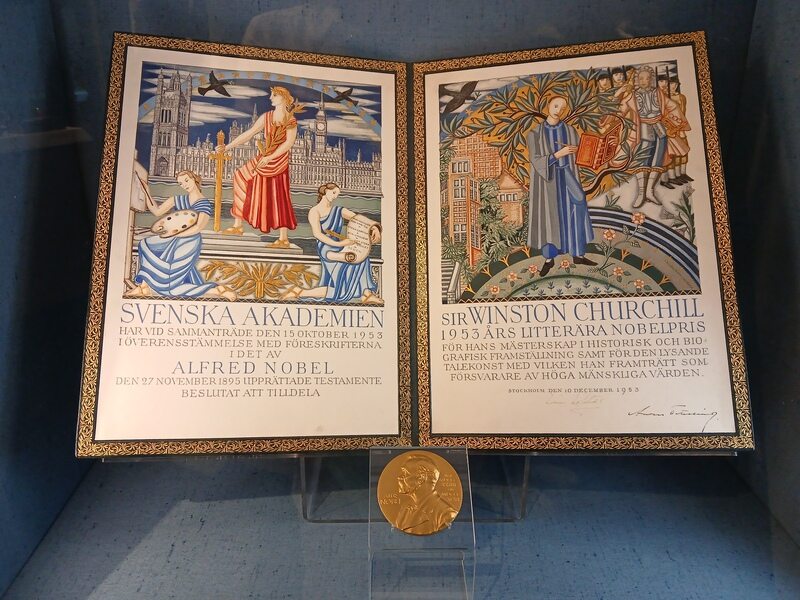
Sir Winston Churchill may now not be the first name that jumps to mind when thinking of literary figures: today people seem more aware of his painting and black dog depression. In 1953, however, he won the Nobel Prize for Literature, recognised for his ‘mastery of historical and biographical description’. It is easy to forget that he supplemented his early (and unpaid) work as an MP with literary tours – overcoming his speech hesitation – based on his journalism. However, no one hearing his speeches to an anxious nation during WWII, can underestimate their masterly use of rhetoric to bolster the country.
At the end of ‘King Lear’, Edgar comments that ‘we that are young shall never see so much, nor live so long.’ Churchill’s remarkable and exciting pre-Prime Minister life, war-time leadership, post-war political rejection, money worries and refocus of old age reflect this being truly epic in scale. His life and times are the subject of several films as well as his own autobiography but not the focus here. Enough to say that he made it to Sandhurst after three attempts, served in the army in India, escaped from a Boer Prisoner of War camp in 1899, fought in WWI, and led Britain to victory in WWII.
The Churchills and Chartwell
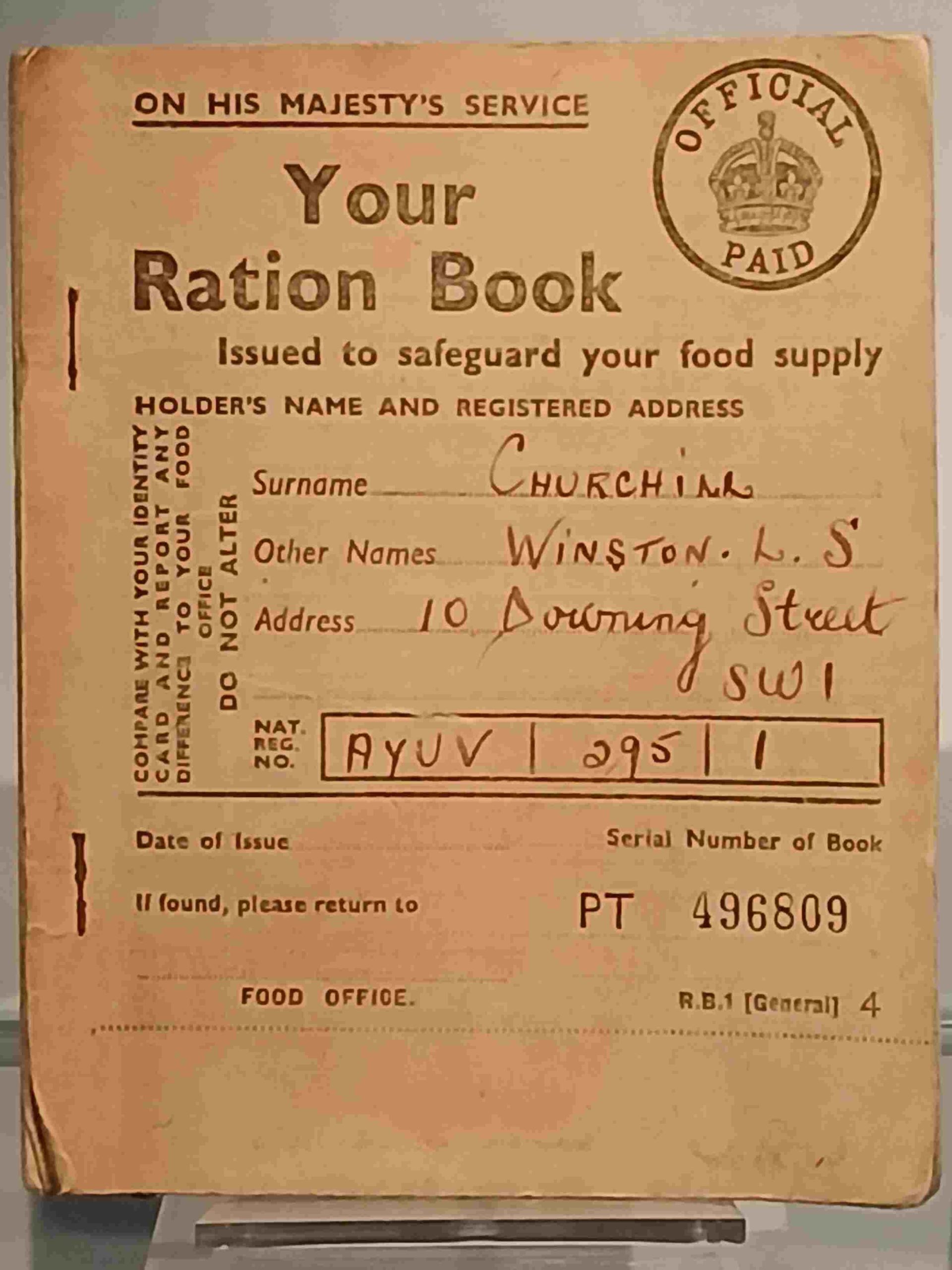
Churchill and his wife Clementine bought Chartwell in 1922 when he was 48 and he lived there until his death in 1965. Buying Chartwell was a gamble – indeed, friends and family later bought it for them in 1946 and the National Trust was involved on the condition the Churchills would continue to live there. Churchill had little family money, although he came from the Spencer line of the Dukes of Marlborough, and was born in Blenheim Palace, the magnificent Vanbrugh-designed family seat given to the first Duke by a grateful nation. The Churchills constantly worried about money and many times came close to putting Chartwell on the market.
Chartwell Manor
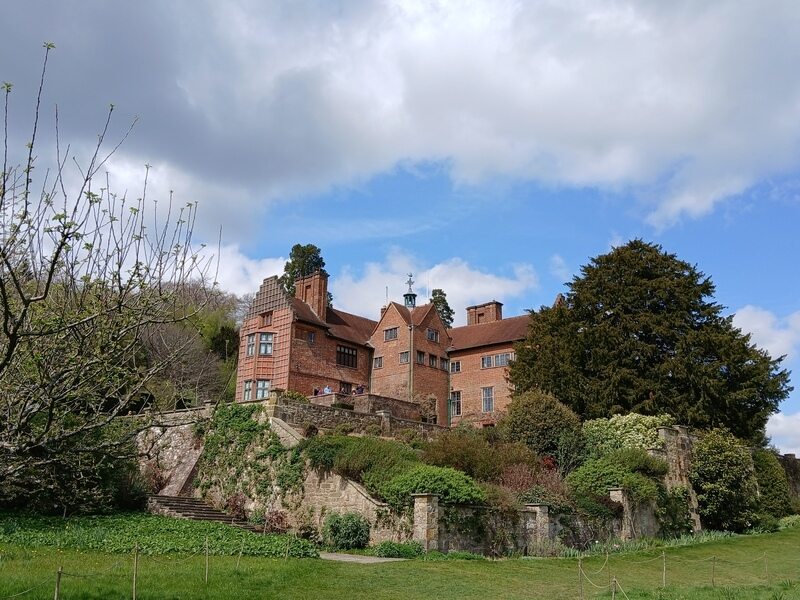
Chartwell Manor sits in the soft Wealden curve of the North Downs in Kent, near Westerham. What the Churchills first saw has been described as ‘an undistinguished Victorian country house in a thoroughly dilapidated state and riddled with dry rot, but set in delightful countryside’.
There was a property at the Chart (Kent dialect for ‘common’) well from about 1362 and today the well feeds ponds to the north of the house. Wood from the Tudor house that forms the basis of Chartwell today have been dated to between 1515 and 1546 and the proximity to the Boleyn’s castle at Hever gives rise to the suggestion that Henry VIII might have stayed there. In the late 1700s the property was known as ‘Well Street’ and was an outpost of the London Foundling Hospital until 1836. Subsequent private owners renamed the house and made huge alterations to the estate, making it into the Victorian red brick villa on a hill that the Churchills bought in 1922.
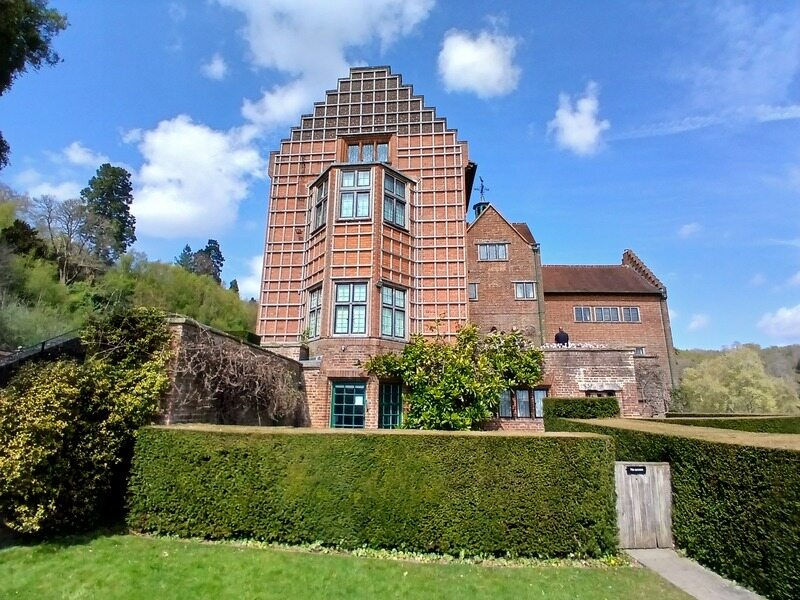
The Churchills did not move in until 1924, spending two years having Chartwell extended and remodelled by architect Philip Tilden. Tilden added larger windows and more rooms but kept the original Tudor stepped gables. The result is a home, quirky and cosy but a million miles from the grandeur of Blenheim or the glossy darkness of Woodstock.
When the Churchills came close to selling Chartwell in 1938, it was advertised as having five reception rooms, nineteen bed and dressing rooms, eight bathrooms and eighty acres of land.
During WWII, Chartwell’s lakes were covered over to reduce visibility from the air, but it was still considered a vulnerable target so the Churchills lived at Ditchley and, when Winston became Prime Minister, at Chequers.
Churchill converted a cottage near the walled garden into an art studio. He famously found a refuge and consolation in painting, fighting the ‘black dog’ of depression and the pressures of his life with absorption in creativity. The walls today are lined with his works.
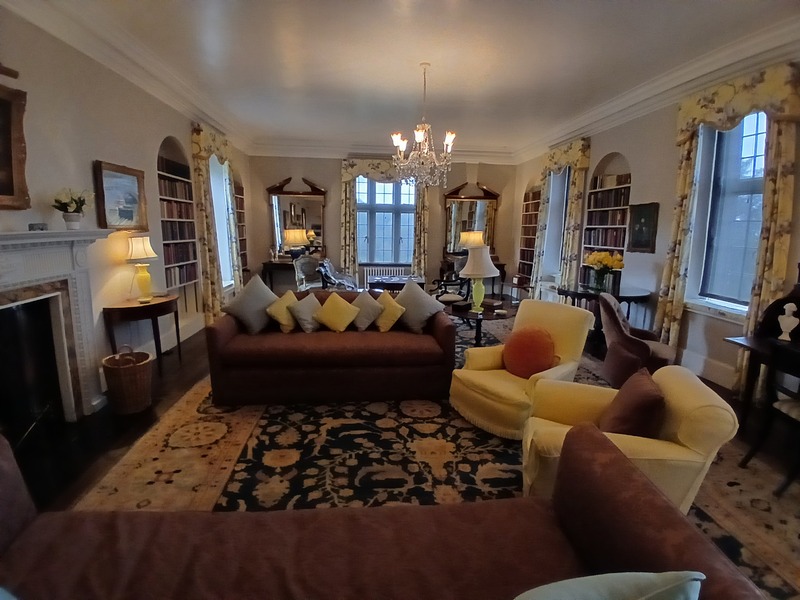
In 1966 the National Trust opened the house to the public. The rooms are displayed as they would have been in the 1930s and are packed full of fascinating items from a fascinating and very important life. It is easy for visitors to imagine the Churchills and their children living and working and playing as a family in happy domesticity.
Chartwell’s Gardens
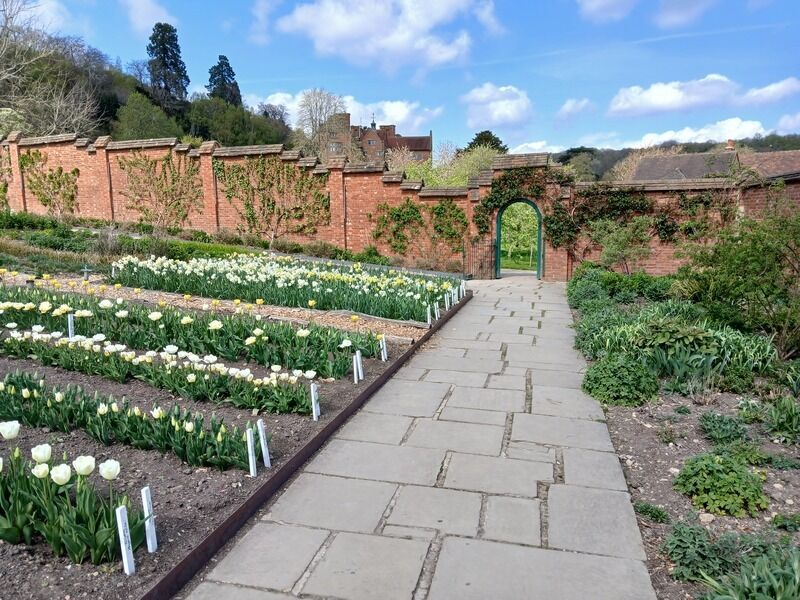
The gardens make the most of that sweeping curve in the Downs and the house looks out over a lake-filled valley with fields and woods beyond. A walled garden provided vegetables and flowers while closer to the house, a formal garden offers a contrast to the countryside. Churchill created the lakes and a playhouse, the ‘Marycot’, for his youngest daughter. Behind the house, native trees provide a woodland screen and protection from the view of the road, as well as shaded walks.
Garden Notes
The Gavin Jones Cascade was a show garden at Chelsea Flower Show in 1948 and Clementine liked it so much the designer gave it to her!
The Golden Orfe Pond is the lowest of three ponds before Clementine’s rose garden. Winston bought the original exotic fish from Harrods in the 1930s.
Lady Churchill’s Rose Garden was designed by Clementine and is still stocked with the white and pink roses she favoured.
The Walled Garden: a plaque states ‘The greater part of this wall was built between the years 1925 & 1932 by Sir Winston Churchill with his own hands.’
The 1958 Golden Rose Avenue bisects the walled garden and was a present to the Churchills from their children and grandchildren on their 50th wedding anniversary. AT the centre is a sundial which commemorates Clementine’s pet dove which she brought back from Bali in 1936.
Churchill and Literature
Churchill’s ‘A History of the English Speaking Peoples’ sits proudly on our shelves, two sets of them, one from each side of the family. Perhaps the hero-worship engendered by Churchill’s war time leadership led partly to its popularity, but they are a work of immense scholarship and literary merit. The boy who was written off academically when he was at Harrow, then educated himself with a programme of classical reading during his time in the army in India should inspire us all.
In total, Churchill wrote 43 ‘book length’ volumes, together with numerous volumes of his journalism, war time speeches, and memoirs.
Key titles
Savrola, a novel
Lord Randolph Churchill (a biography of his father)
Marlborough: His Life and Times (four volumes, over a million words)
The Second World War (a six-volume memoir)
A History of the English Speaking Peoples (a four-volume exploration)
.